From ancient empires to the first star of African independence — Ghana's story is one of resilience, pride, and an unbreakable spirit that continues to inspire the world.
"Freedom and Justice — the twin pillars on which Ghana was built."
Before gaining independence on March 6, 1957, Ghana (known as the Gold Coast) was a region of diverse kingdoms, including the Asante Empire, and a center for trade. Following the arrival of the Portuguese in 1471 and later other European powers, the area became central to the gold and transatlantic slave trades. The British eventually colonized the region, overcoming local resistance before leading the country to independence.
Five chapters — each a world of its own — telling the complete story of a great nation.
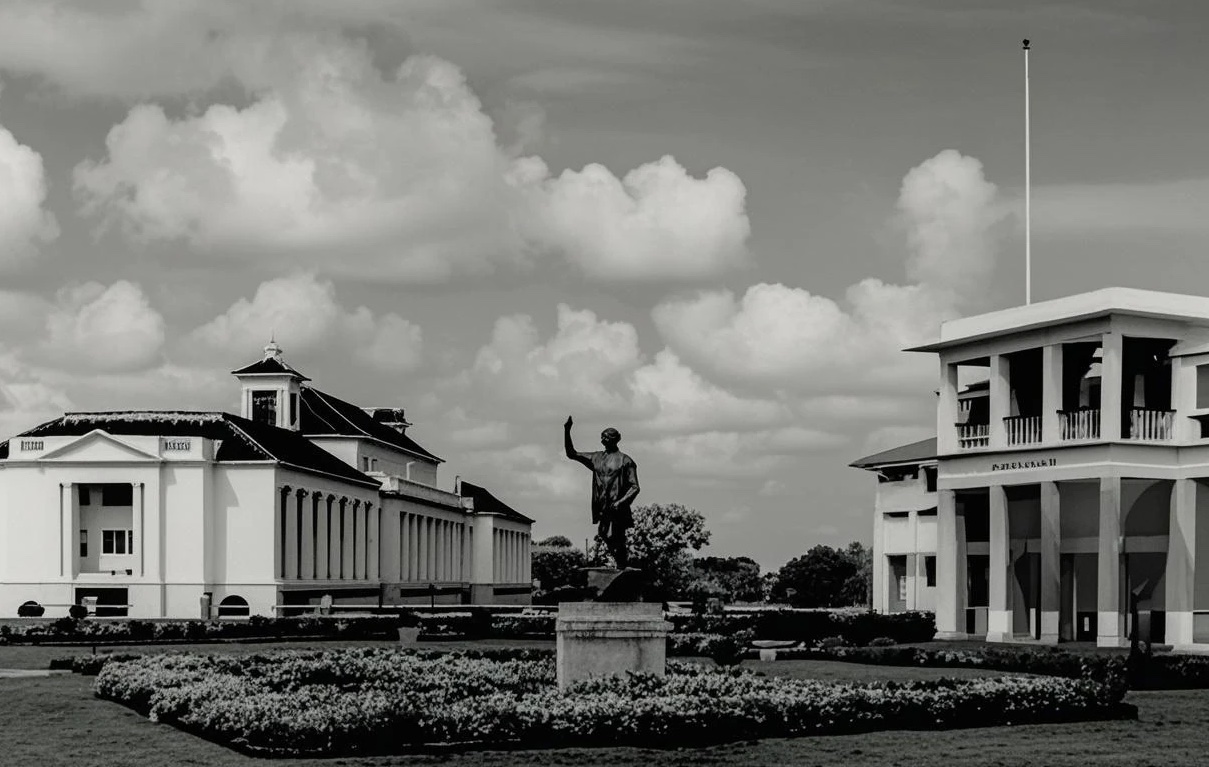
From the Ghana Empire to independence and beyond — a complete chronicle of the nation.
Discover →
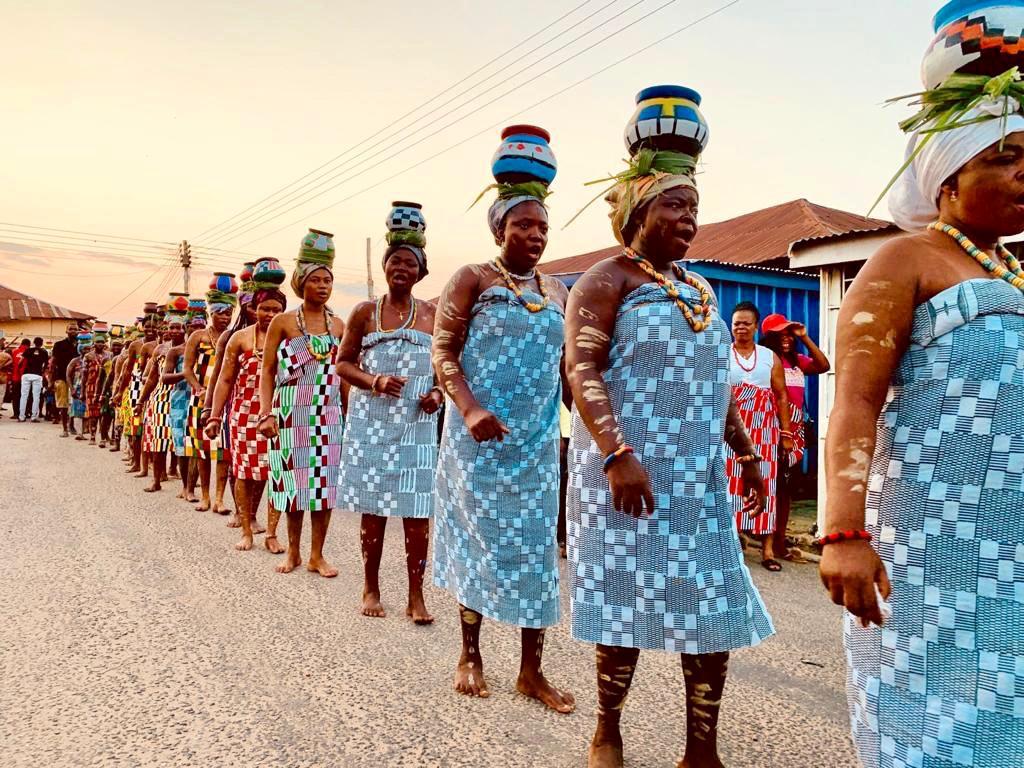
Kente, Highlife, festivals, food, and the vibrant traditions that define Ghanaian life.
Discover →
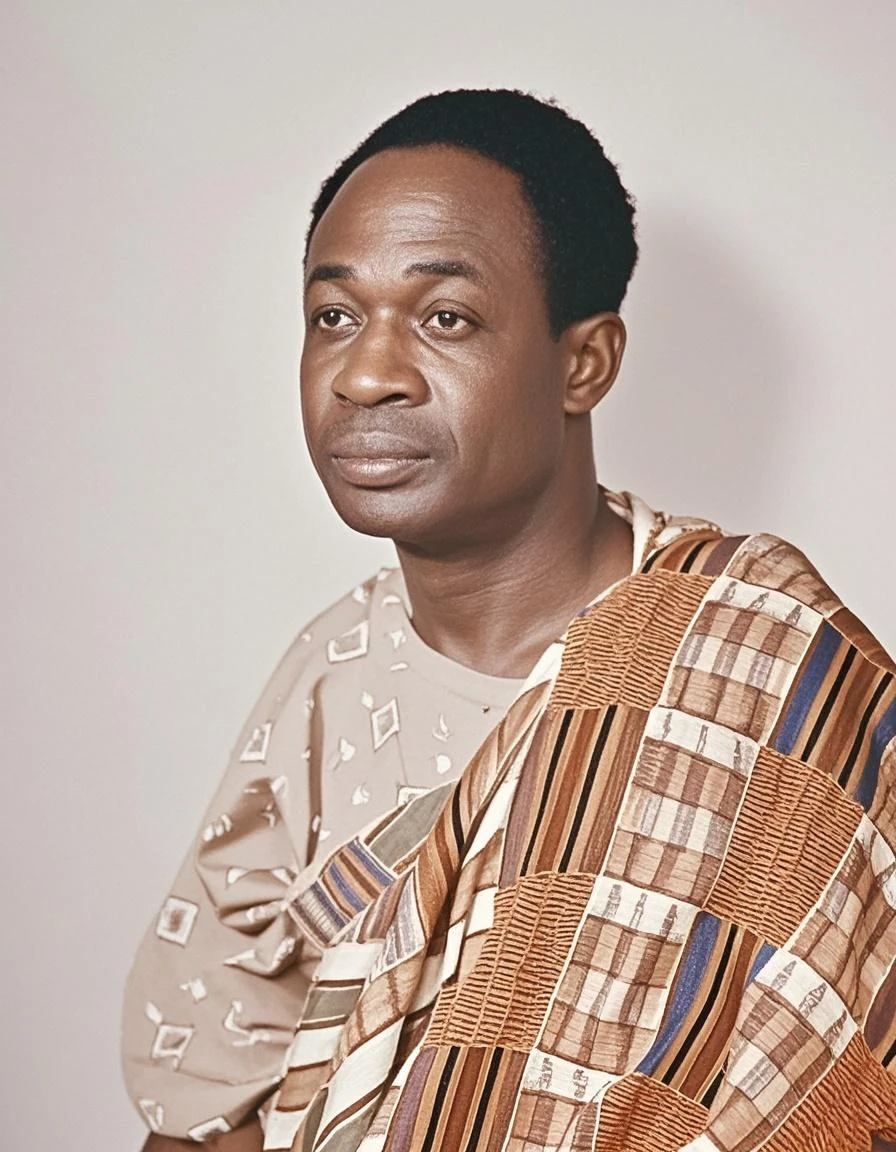
Warriors, statesmen, scholars, and dreamers who shaped Ghana's destiny.
Discover →On 6 March 1957, under the passionate leadership of Kwame Nkrumah, Ghana declared independence from British colonial rule — becoming the first nation in sub-Saharan Africa to do so. The moment electrified the entire African continent.
Watch this documentary excerpt exploring the roots of the independence movement, the struggles endured, and the euphoria of that historic night in Accra.
Read Full History
One of the most powerful pre-colonial African states — a confederation bound by the sacred Golden Stool, whose legacy endures in modern Ghana.

Father of the nation, pan-Africanist, and one of the 20th century's most visionary leaders.

Woven in gold and silk, every pattern tells a story — Ghana's most iconic cultural export.
Ghana's culture is alive — from the thunderous drums of Homowo to the swirling colours of the Asante Akwasidae festival. Music, dance, and art are not performances here; they are the language of identity.
This film explores Highlife music, Kente weaving, Adinkra symbolism, and the festivals that continue to bind communities across the country's 16 regions.
Explore Culture