The Year of Return
In 2019 — exactly 400 years after the first enslaved Africans arrived in the Americas — President Akufo-Addo declared Ghana's "Year of Return": an invitation to the African diaspora to come home.
The initiative brought tens of thousands of visitors from the United States, Caribbean, and Europe to Ghana — celebrities, historians, activists, and ordinary people tracing family roots. Prominent visitors included Idris Elba, Steve Harvey, Boris Kodjoe, and Samuel L. Jackson, who received Ghanaian citizenship at the Cape Coast Castle.
The Year of Return was more than tourism — it was an emotional and political statement about the meaning of Africa for its diaspora. It generated over $3 billion in economic activity and sparked a wave of diaspora investment, property purchases, and relocation to Ghana. "Beyond the Return" has continued the initiative into an ongoing relationship.
Accra: West Africa's Silicon Savannah
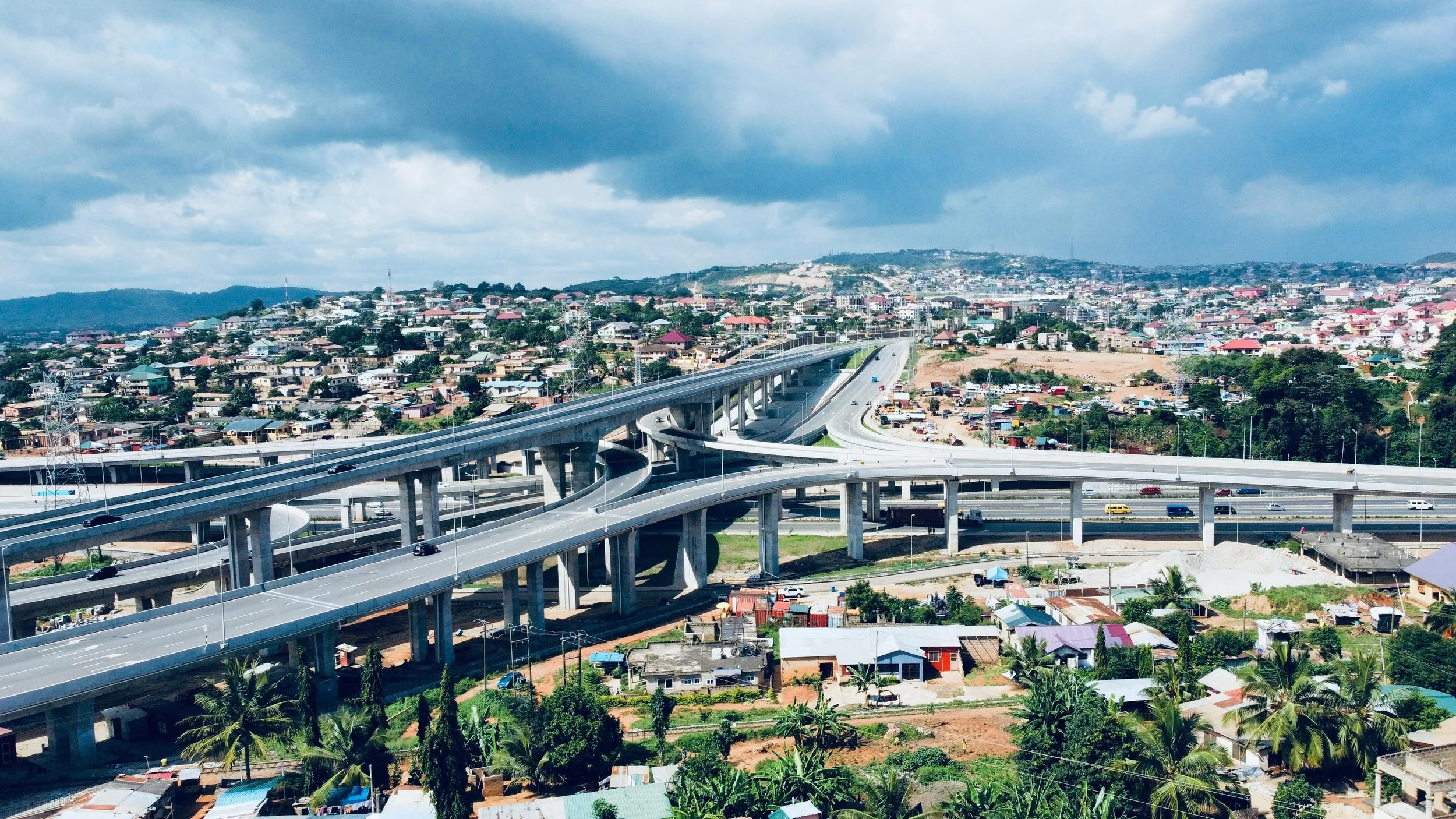
In the 2010s and 2020s, Accra quietly emerged as one of Africa's leading technology and startup hubs. Companies like Zeepay, Hubtel, mPharma, and Farmerline have attracted global investment, while Ghana's mobile money penetration rate is among the highest in Africa.
The government's digitisation agenda — digital ID, Ghana.gov, and cashless payment infrastructure — combined with a young, English-speaking workforce and political stability, has made Ghana the location of choice for multinational tech companies entering West Africa. Google opened its first Africa AI research centre in Accra in 2019. Twitter (now X) briefly considered Accra for its African headquarters.
Ghana's universities — the University of Ghana, KNUST, and GIMPA — are producing a generation of engineers, entrepreneurs, and creatives who are choosing to build in Ghana rather than leave. The brain drain of earlier decades is beginning to reverse.
Ghana has over 20 million active mobile money accounts — a financial inclusion revolution that has brought millions of previously unbanked Ghanaians into the formal economy without a single bank branch.
Ghana 2030 — A Vision
What does the next chapter of Ghana's journey look like? These are the priorities that will define the nation's trajectory over the coming decade.
Economic Transformation
Moving from commodity export to value-added manufacturing and services. Processing cocoa into chocolate in Ghana. Refining gold in Ghana. Building the industrial base that Nkrumah dreamed of — this time with private-sector dynamism rather than state command.
Pan-African Leadership
Ghana has long been the moral voice of pan-African unity — from Nkrumah's founding of the OAU to hosting the ECOWAS secretariat in Accra. The Africa Continental Free Trade Area (AfCFTA), headquartered in Accra, represents a new chapter in this leadership.
Climate Resilience
Protecting the forest cover, restoring degraded mining lands, and building coastal defences against rising seas. Ghana's leadership in the climate conversation — at COP summits and in continental negotiations — must be matched by domestic action.
Cultural Export
Ghanaian music, fashion, film, and food are already global. The next decade involves turning cultural influence into economic value — building the creative economy, protecting intellectual property, and supporting Ghanaian artists to own their work globally.
Youth & Innovation
With 57% of the population under 25, Ghana's greatest asset is its young people. Investing in STEM education, entrepreneurship infrastructure, and opportunities for young Ghanaians to build careers at home is the foundation of every other priority.
Diaspora Integration
Building on the Year of Return, creating real legal and economic pathways for diaspora Ghanaians to invest, return, and participate in governance. The 3 million Ghanaians living abroad are partners in the national project, not merely remittance senders.
Ghana on the World Stage
Located on the Gulf of Guinea in West Africa, Ghana is a nation of 238,533 km² — home to 16 regions, more than 80 ethnic groups, and a coastline of 539 km.
The journey is far from over.
Ghana's story — from ancient empire to modern democracy — is still being written by every Ghanaian alive today. History is not behind us. It is what we choose to do next.